

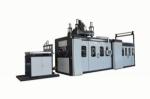
In today's fast-paced manufacturing world, packaging plays a pivotal role—not only in protecting products but also in attracting customers and enhancing brand value. The demand for faster production speeds, higher precision, and flawless finishes has pushed the industry to adopt advanced technologies. Among these, the pressure thermoforming machine stands out as a game-changer. This cutting-edge equipment has revolutionized the packaging sector by combining speed, accuracy, and versatility to meet the ever-growing needs of diverse industries.
Pressure thermoforming is a thermoforming process where heated plastic sheets are shaped over a mold using air pressure. This method enables manufacturers to create highly detailed, consistent, and smooth packaging with remarkable efficiency. The applied pressure ensures an even and tight conformity to the mold, leading to better product quality than traditional vacuum forming, unlike.
Moreover, as consumer expectations continue to rise and environmental concerns become more prominent, companies must invest in equipment that supports sustainable production without compromising performance. Pressure thermoforming machines perfectly align with these trends, offering energy-efficient operations and compatibility with recyclable materials.
What is a Pressure Thermoforming Machine?
A pressure thermoforming machine is designed to heat plastic sheets to a pliable state and then use air pressure to force the sheet against a mold. This precise method shapes the plastic into detailed, high-quality packaging components. Unlike vacuum forming, which relies solely on vacuum suction, pressure thermoforming applies additional positive pressure from above, ensuring the plastic perfectly conforms to intricate mold details.
Clamshells, containers, trays, and other specialized packaging items are frequently made using this technique. The result is packaging that not only looks sleek and professional but also provides strength and durability.
How Does a Pressure Thermoforming Machine Work?
The operation begins by feeding a plastic sheet into the machine, where it is clamped and heated evenly. The sheet enters the forming station when the temperature is appropriate. Here, the machine applies a combination of vacuum and pressure to shape the heated sheet over the mold.
The key steps include:
-
Sheet Heating: The plastic sheet is warmed to its softening point using infrared heaters.
-
Clamping: The sheet is securely held in place to prevent movement during forming.
-
Forming: Vacuum pulls the sheet onto the mold from below, while air pressure pushes from above.
-
Cooling: The shaped plastic is cooled rapidly to retain its form.
-
Trimming: Excess material is trimmed off, leaving the finished packaging piece.
This process ensures high dimensional accuracy, excellent surface finish, and consistent product quality, making it ideal for high-volume manufacturing.
Why Choose Pressure Thermoforming Machines?
There are several compelling reasons why more manufacturers are switching to pressure thermoforming machines:
-
Superior Product Quality: Pressure application leads to better mold detail replication and fewer surface defects.
-
Faster Cycle Times: The dual-action forming process accelerates production without sacrificing quality.
-
Material Efficiency: Precise forming reduces waste and allows the use of thinner sheets.
-
Versatility: supports a variety of plastic materials, such as those that are recyclable and biodegradable.
-
Energy Efficiency: Advanced machines optimize heating zones to reduce power consumption.
These benefits translate into lower production costs, higher throughput, and packaging that stands out on retail shelves.
Applications of Pressure Thermoforming Machines
Pressure thermoforming machines are suitable for a variety of industries because of their versatility.:
-
Food Packaging: Trays, containers, and lids that protect freshness and improve presentation.
-
Medical and Pharmaceutical: Sterile packaging with complex shapes for instruments and devices.
-
Consumer Goods: durable, appealing packaging for household goods, cosmetics, and electronics.
-
Automotive: Custom plastic parts and protective covers.
-
Industrial: Components for machinery or equipment housing.
With the right tooling, pressure thermoforming machines can produce virtually any shape or size needed.
Also Read: Top Advantages of Pressure Thermoforming Machine
Choosing the Right Machine for Your Business
Several factors influence the selection of the ideal pressure thermoforming machine:
-
Production Volume: High-speed models for mass production or smaller units for customized runs.
-
Sheet Size and Thickness: Machines vary in the maximum sheet dimensions and thickness they can handle.
-
Automation Level: From manual to fully automated systems with robotic loading and unloading.
-
Control Systems: Advanced touchscreens and software for precision process control.
-
After-Sales Service: Availability of spare parts and dependable technical assistance.
Companies like Shanghai Zhanshi Mechanical Equipment Co., Ltd. provide tailored solutions backed by industry expertise, ensuring customers find machines that fit their exact needs.
Future Trends in Pressure Thermoforming
As technology advances, pressure thermoforming machines are evolving too. Key trends to watch include:
-
Sustainable Materials: The use of recycled and bio-based polymers is increasing.
-
Enhanced Automation: Greater use of robotics to reduce labor and improve consistency.
-
Energy Optimization: Further improvements in heating technology to cut costs and emissions.
Investing in the latest pressure thermoforming technology today prepares manufacturers for tomorrow's challenges.
What Qualities Should Be Included in a Pressure Thermoforming Machine
When investing in a pressure thermoforming machine, it's essential to consider certain features that will maximize your production efficiency and product quality:
1. Heating System Efficiency
The quality and consistency of heating significantly affect forming precision. Look for machines with zoned infrared heaters that allow for even heat distribution and adjustable temperature settings to accommodate various plastics.
2. Robust Clamping Mechanism
A strong, precise clamping system ensures the plastic sheet stays firmly in place during forming, preventing defects caused by shifting or uneven tension.
3. Advanced Control Panel
Modern machines come with intuitive touchscreen interfaces that enable operators to monitor temperatures, cycle times, and pressure levels in real-time. Human error is decreased and repeatability is improved by these controls.
4. Pressure and Vacuum Control
The ability to fine-tune the vacuum and pressure applied during forming is crucial for achieving detailed mold replication and minimizing material stress.
5. Automation and Integration
Machines that integrate with robotic loaders and unloaders boost productivity and reduce manual labor costs. Automation also improves safety and consistency.
Materials Compatible with Pressure Thermoforming Machines
Pressure thermoforming machines support a wide range of thermoplastic materials, making them highly adaptable:
-
PVC (Polyvinyl Chloride): Commonly used for food packaging due to its clarity and barrier properties.
-
PET (Polyethylene Terephthalate): Lightweight, strong, and recyclable, ideal for premium packaging.
-
PP (Polypropylene): Offers good chemical resistance and is suitable for containers and trays.
-
PS (Polystyrene): Used for disposable packaging like cups and trays.
-
ABS (Acrylonitrile Butadiene Styrene): Tough and impact-resistant for durable packaging.
-
Bio-based plastics: Emerging materials for eco-friendly applications.
The best material for use depends on the end user's needs, durability requirements, and environmental factors.
Maintenance Tips for Longevity and Performance
Keeping your pressure thermoforming machine in peak condition is vital for long-term success:
-
Regular Cleaning: Prevent plastic buildup on heaters and molds to maintain heat efficiency.
-
Routine Inspections: Check clamps, heaters, and pneumatic systems for wear and tear.
-
Lubrication: Ensure moving parts are properly lubricated to avoid mechanical failure.
-
Software Updates: Keep control systems up-to-date to benefit from the latest features and security patches.
-
Operator Training: Skilled operators can quickly spot issues and perform basic troubleshooting.
A well-maintained machine reduces downtime and ensures consistent output quality.
Why Work with Shanghai Zhanshi Mechanical Equipment Co., Ltd.?
Choosing a reliable manufacturer for your pressure thermoforming machine is just as important as the machine itself. Shanghai Zhanshi Mechanical Equipment Co., Ltd. provides top-notch equipment that is specifically designed for your production needs and comes with unmatched support after sales. Their unwavering support for innovation and quality has earned them a reputable reputation worldwide.
They provide:
- Customized solutions based on client specifications.
- High-quality components for durability and performance.
- Expert technical guidance and training.
- Responsive customer service to minimize downtime.
Partnering with a company like Zhanshi means you're investing in machinery that evolves with your business.
Common Issues with Pressure Thermoforming and How to Overcome It
Like any manufacturing process, pressure thermoforming can face hurdles. Understanding and addressing these challenges ensures smooth operations:
-
Material Warping: Ensure uniform heating and proper cooling cycles to avoid distortion.
-
Surface Imperfections: Maintain clean molds and proper sheet tension to reduce blemishes.
-
Cycle Time Delays: Optimize heating and cooling times, and incorporate automation where possible.
-
Inconsistent Thickness: Use quality sheets and monitor pressure settings closely.
-
Waste Management: Implement efficient trimming and recycling processes to minimize scrap.
By proactively managing these aspects, manufacturers can enhance yield and product quality.
The Economic Benefits of Pressure Thermoforming Machines
Investing in pressure thermoforming technology offers substantial economic advantages:
-
Lower Production Costs: Faster cycles and less material waste translate to cost savings.
-
Higher Output: The ability to run continuous, automated operations increases throughput.
-
Improved Product Value: High-quality finishes can justify premium pricing.
-
Reduced Labor Costs: Automation lowers reliance on manual labor, cutting operational expenses.
-
Sustainability Incentives: Using recyclable materials and energy-efficient machines can reduce environmental taxes or qualify for green incentives.
Overall, the return on investment (ROI) can be significant when choosing the right machine and process.
Case Studies: Success Stories Using Pressure Thermoforming
Several manufacturers have successfully transformed their packaging processes with pressure thermoforming machines:
-
Food Packaging Firm: Reduced cycle time by 30%, boosted product durability, and enhanced consumer appeal.
-
Medical Device Producer: Achieved sterile, complex-shaped packaging that met stringent regulatory standards.
-
Electronics Company: Created protective casings with intricate detail and high impact resistance.
These examples demonstrate the technology's versatility and business impact.
Environmental Impact and Sustainability
Sustainability is now a business requirement, not an optional one. Pressure thermoforming machines contribute by:
- Allowing for the use of recycled materials without sacrificing quality.
- Optimizing energy use through precise heating controls.
- Reducing material waste via efficient trimming systems.
- Enabling lightweight packaging designs that lower transportation emissions.
Manufacturers can meet customer demands for eco-friendly packaging while improving their carbon footprint.
Pressure thermoforming machines are reshaping the packaging industry with their unmatched speed, precision, and versatility. By understanding their capabilities and investing wisely, businesses can stay competitive, meet sustainability goals, and deliver packaging that delights consumers.
If you're ready to take your packaging production to the next level, consider exploring pressure thermoforming technology from trusted suppliers like Shanghai Zhanshi Mechanical Equipment Co., Ltd. Your future-ready packaging solutions await!
Pressure thermoforming machines represent a powerful tool for modern packaging manufacturers striving for excellence. From enhanced product quality and faster production to material efficiency and sustainability, the benefits are clear. By selecting the right machine, maintaining it properly, and leveraging advanced features, companies can achieve remarkable growth and customer satisfaction. The future of packaging is fast, flawless, and sustainable—thanks to pressure thermoforming technology.
FAQs
1. What types of plastics can be used with pressure thermoforming machines?
Pressure thermoforming machines can process a variety of thermoplastics including PVC, PET, PP, PS, ABS, and bio-based plastics, depending on the application.
2. How does pressure thermoforming differ from vacuum forming?
While vacuum forming uses suction to pull plastic onto a mold, pressure thermoforming applies additional positive air pressure from above for better detail and surface finish.
3. Can pressure thermoforming machines handle large sheet sizes?
Yes, depending on the model, machines can accommodate large plastic sheets suitable for diverse packaging sizes and shapes.
4. What maintenance is required to keep these machines running efficiently?
Regular cleaning, inspections, lubrication, software updates, and operator training are essential to maintain optimal performance.
5. Are pressure thermoforming machines energy efficient?
Modern machines feature zoned heating and advanced controls to optimize energy use, making them more efficient than older models.